


New smoke alarm laws are coming - is your home compliant?
Is your home safe?

New smoke alarm laws are coming.
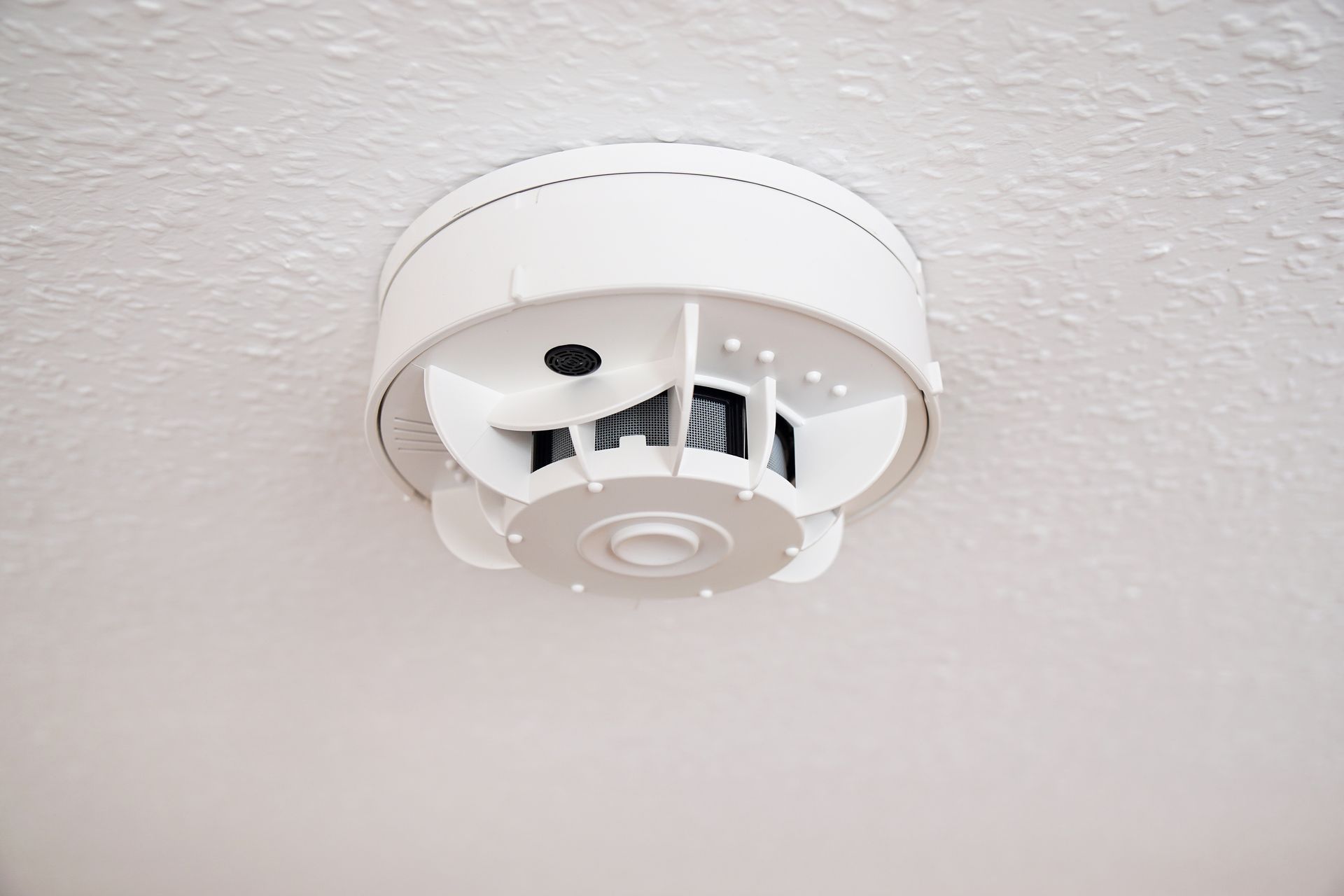
Interconnected compliant smoke alarms means when one goes off, they all go off.
All existing private homes, townhouses, units and manufactured homes require interconnected photoelectric smoke alarms by 1 January 2027. All registered caravans and motorhomes must also be fitted with a photoelectric smoke alarm.
Legislation introduced on 1 January 2017 requires all smoke alarms to comply with Australian Standard 3786-2014, and requires pre-existing smoke alarms to be replaced with interconnected smoke alarms if the smoke alarm has expired; does not work anymore and/or converting the home into a rental property.
Smoke alarms must:
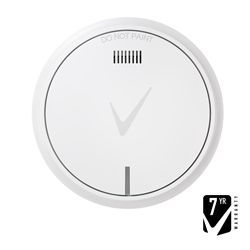
- be photoelectric.
- be interconnected with every other smoke alarm in the dwelling so all activate and go off together.
- comply with the Standard AS3786-2014 which is marked on the body of the alarm. To locate the marking, you may need to remove from the bracket to look underneath.
- not contain an ionisation sensor.
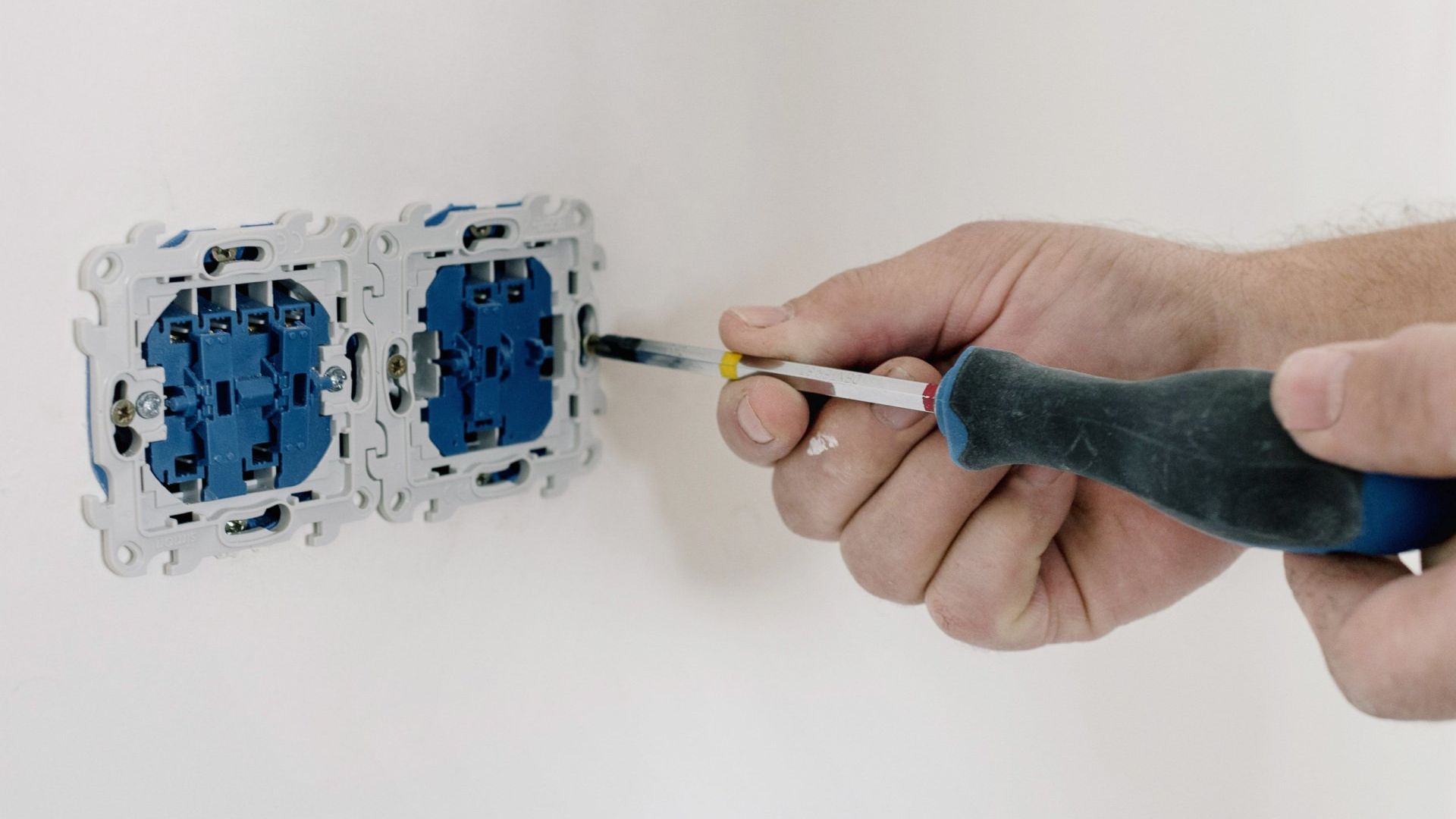
- be hardwired installed by a licensed electrician (e.g. 240v) to the mains power supply with a secondary power source (eg. non-removable 10-year battery, or a user-replaceable 9V battery) or;
- be powered by 10-year non-removable batteries type photoelectric smoke alarm that can be installed yourself.
Private homes, townhouses and units
Smoke alarms must be installed:
- on each storey
- in each bedroom
- in hallways that connect bedrooms and the rest of the dwelling
- if there is no hallway, between the bedroom and other parts of the storey; and
- if there are no bedrooms on a storey, at least one smoke alarm must be installed in the most likely path of travel to exit the dwelling.
If you need to install or upgrade your smoke alarms call us today!


Get Free Energy Efficiency Audits!
For up-to-date and economical electrical solutions, get in touch with Local Electrical today!